
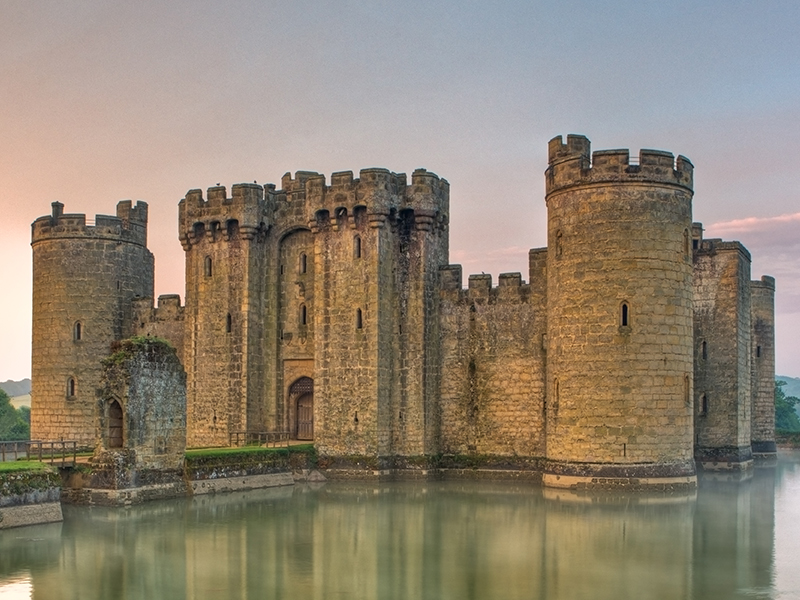
Bodiam Castle, built in 1385 in East Sussex, is a classic example of a late medieval English moated fortress that reflects both military function and status symbolism. Commissioned by Sir Edward Dalyngrigge during the tensions of the Hundred Years’ War, the castle was designed as much to project power and force as to provide defence against potential French invasion. Its near-symmetrical layout, corner towers, battlements, and gatehouse with portcullis and murder holes demonstrate contemporary defensive architecture, although historians debate how effectively it would have withstood a determined siege. Surrounded by a wide water-filled moat, Bodiam illustrates the transition from purely utilitarian fortifications to residences that balanced comfort, prestige, and military preparedness, making it a compelling site for enthusiasts interested in the evolution of medieval warfare and castle design.
Listing Directory: General
-
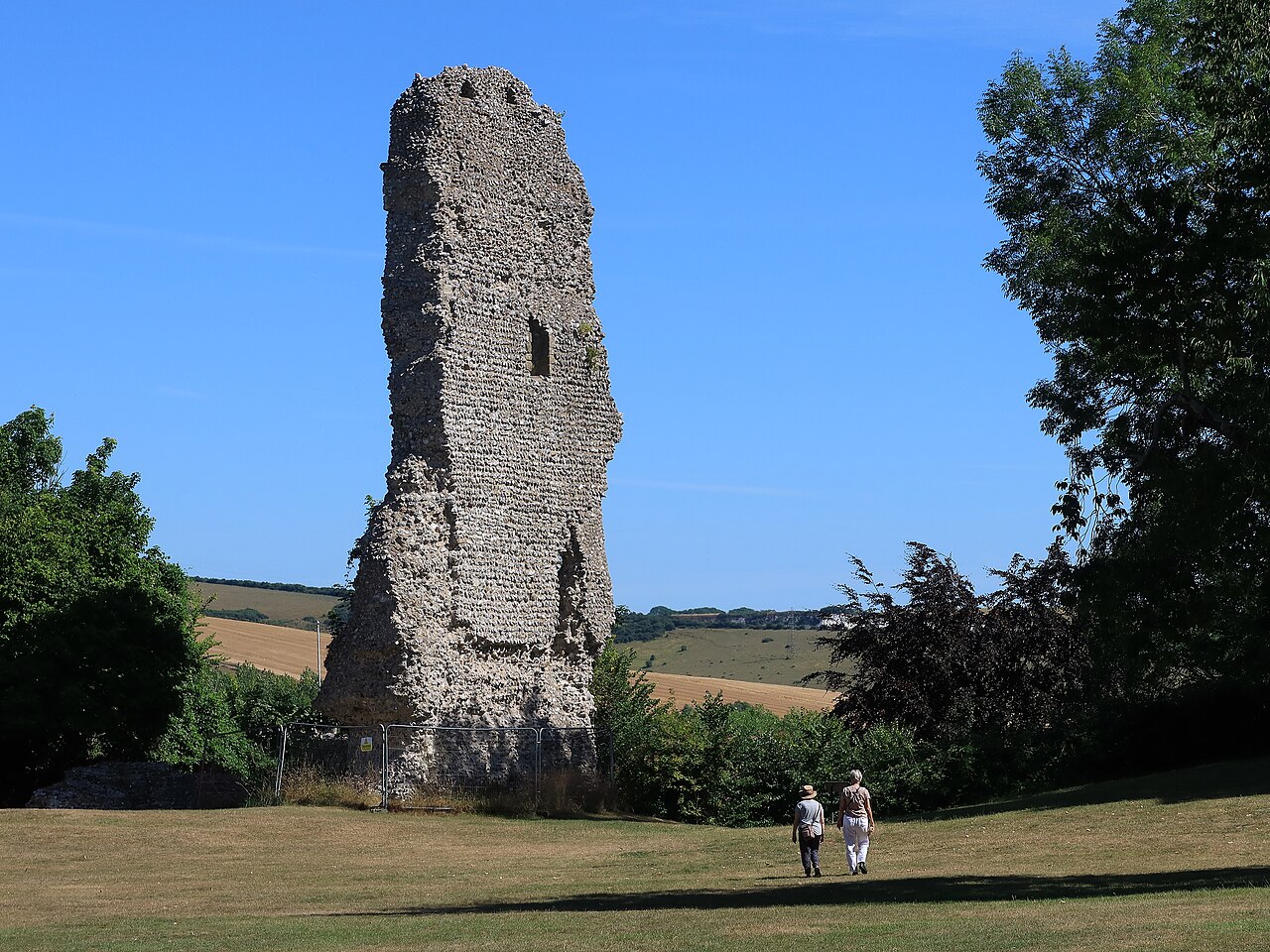
Bramber Castle
Perched dramatically atop a natural knoll, the evocative ruins of this Norman castle command sweeping views over the River Adur and the strategic gap through the South Downs below. Raised in the wake of the Norman Conquest, it played a vital role in securing William I’s newly claimed lands and later became the Sussex stronghold of the powerful de Braose family. Today, a single towering wall—soaring 14 metres into the sky—still stands, offering a striking glimpse into the fortress’s once formidable presence.
-
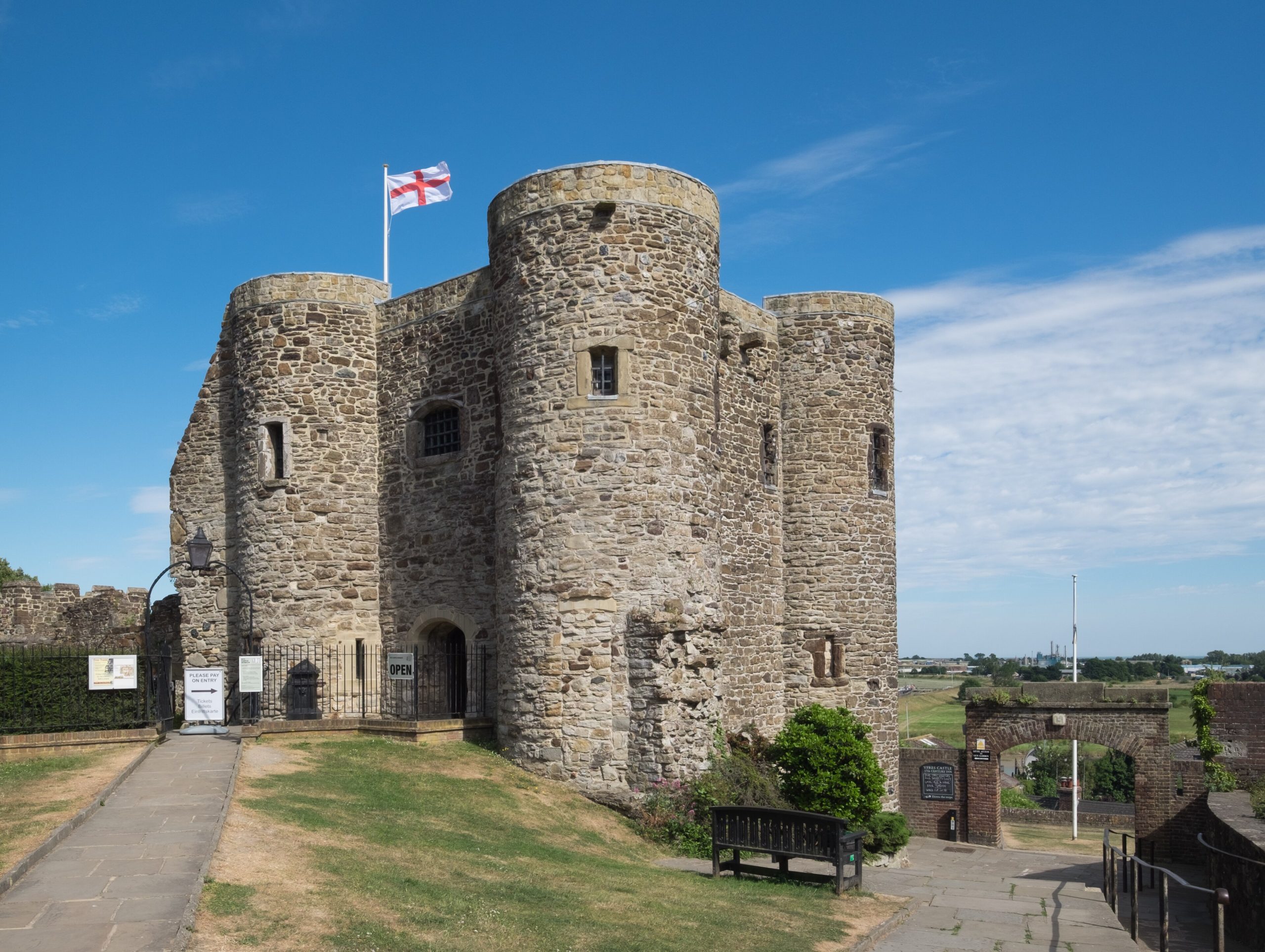
Rye Castle Museum (Ypres Tower)
A 13th-century tower that formed part of Rye’s town defences, used against French raids, the Spanish Armada, and 18th-century wars with France. Known as Ypres Tower after a medieval owner, it later served as a prison and now houses Rye Castle Museum with displays on local military history, smuggling, shipwrecks, medieval pottery and a historic gun garden. Open year-round with panoramic views over Romney Marsh.
-
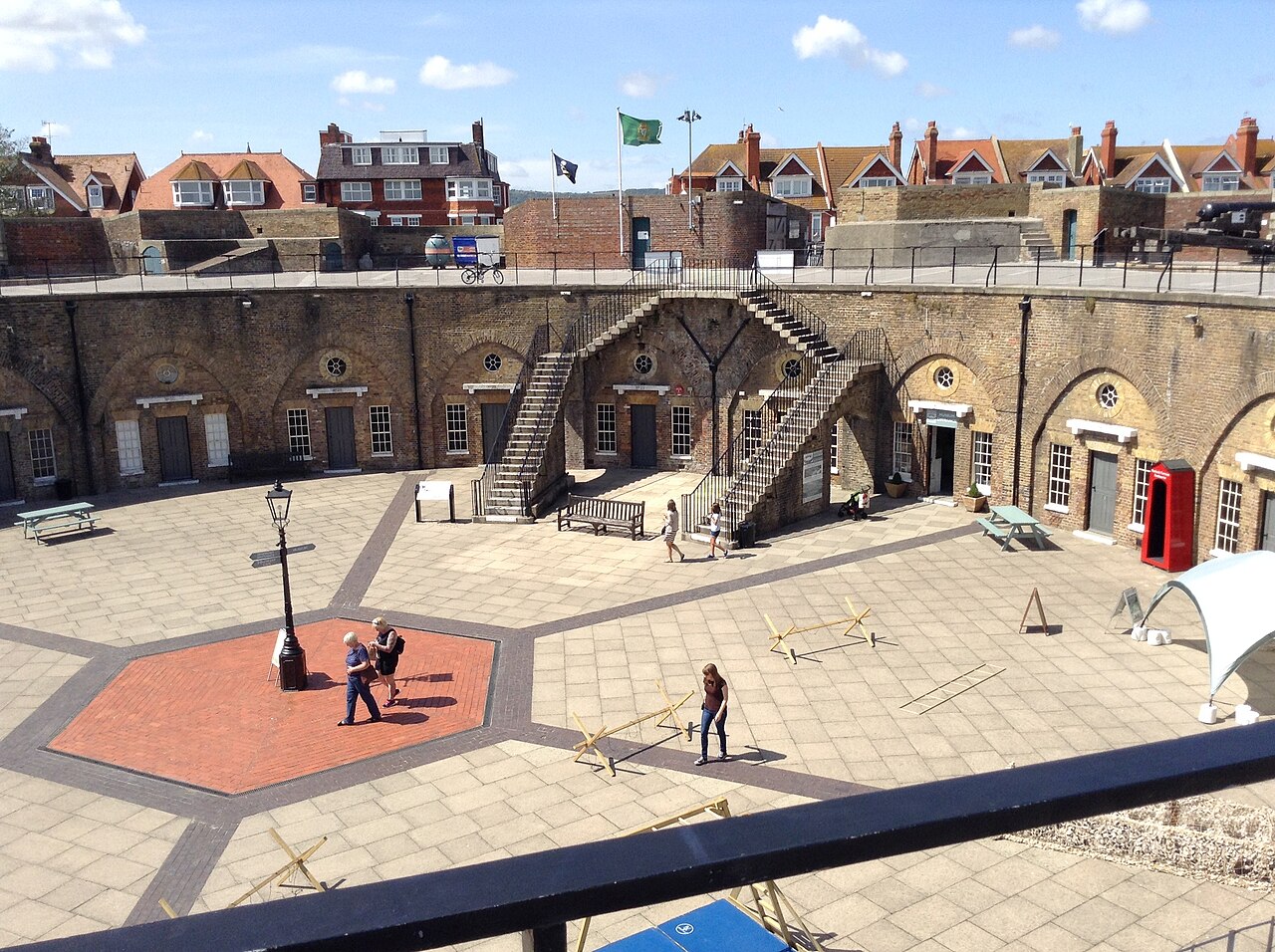
Redoubt Fortress & Military Museum
This site is currently closed but can be viewed externally. A circular Napoleonic fort built in 1804–10 to resist French invasion, now housing the largest military museum collection in South East England. Collections include the Royal Sussex Regiment (uniforms and medals spanning 300 years), the Queen’s Royal Irish Hussars (including a Russian bugle from the Charge of the Light Brigade), a captured German Afrika Korps staff car, and a Gulf War camp. Note: as of 2025, the Redoubt is closed for structural maintenance but reopens for special events and guided talks — check the website for access.
-

The Chattri Memorial
A Grade II listed memorial of white Sicilian marble on the South Downs above Brighton, marking the exact site where 53 Hindu and Sikh soldiers of the Indian Army — wounded on the Western Front and treated in Brighton’s wartime hospitals — were cremated in accordance with their religious rites. Unveiled by the Prince of Wales in 1921, it is accessible only by footpath and hosts an annual remembrance service each June.
-
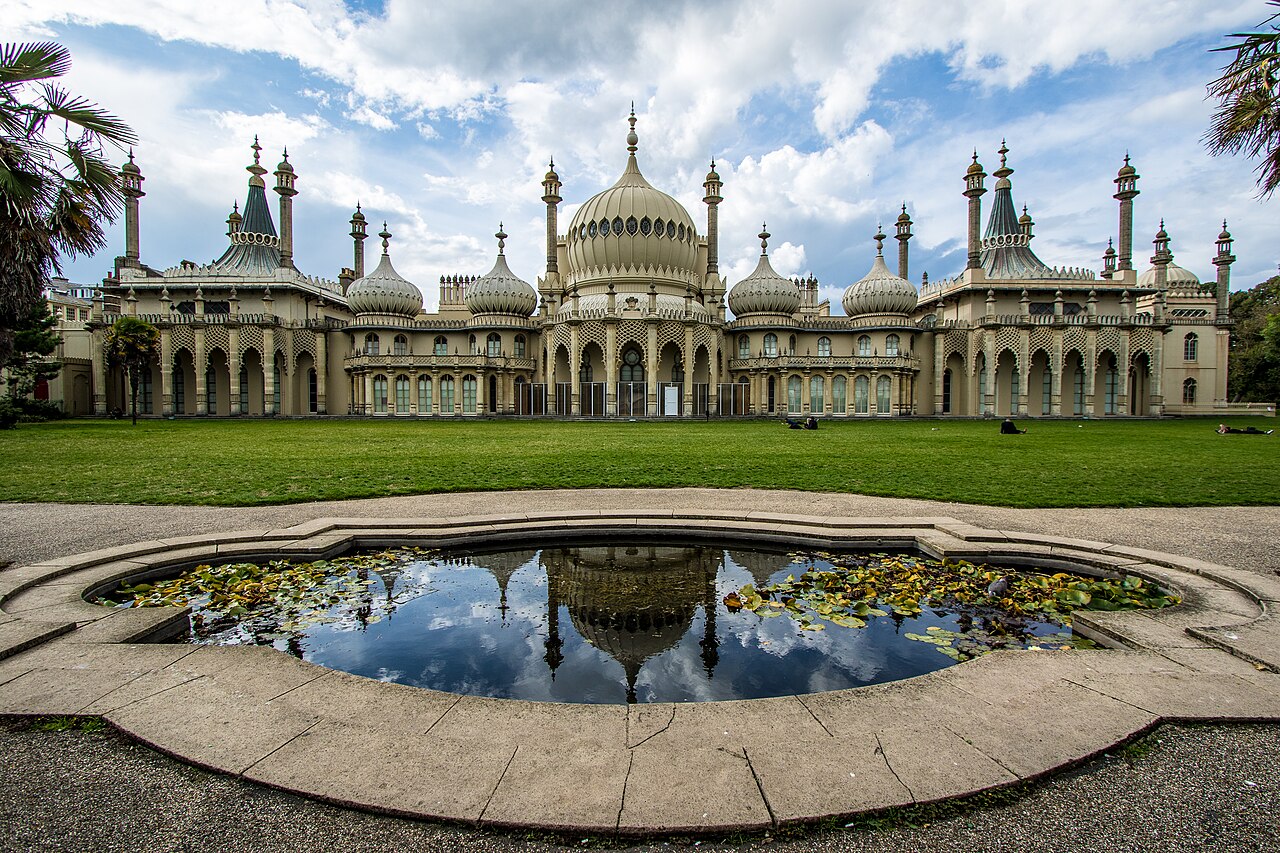
Royal Pavilion (Indian Military Hospital Gallery)
The magnificent Royal Pavilion served as a military hospital for wounded Indian soldiers from the Western Front between 1914 and 1916, and then for British amputees until 1920. A permanent first-floor gallery tells the remarkable story of how over 2,300 Indian patients were treated here with careful attention to their cultural and religious needs. The story connects directly to the Chattri memorial on the Downs and the Indian Gate in the gardens.
-
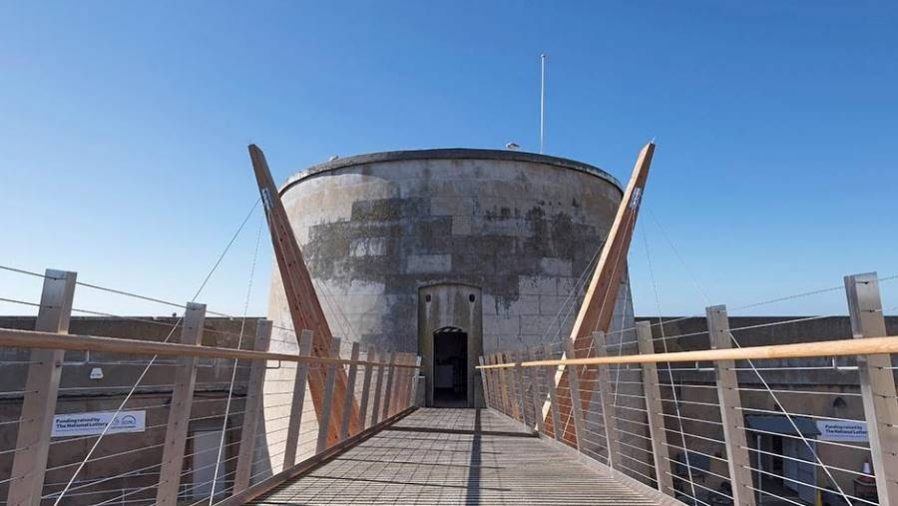
Seaford Museum (Martello Tower)
Housed in Tower No. 74 — the most westerly of the Sussex Martello towers built between 1806 and 1810 as Napoleonic coastal defences — Seaford Museum contains local history collections with maritime and domestic artefacts. The circular two-storey brick tower with its dry moat is a fine example of these ingenious defensive structures. Note: the museum underwent ceiling restoration work in 2025-26; check the website before visiting.
-
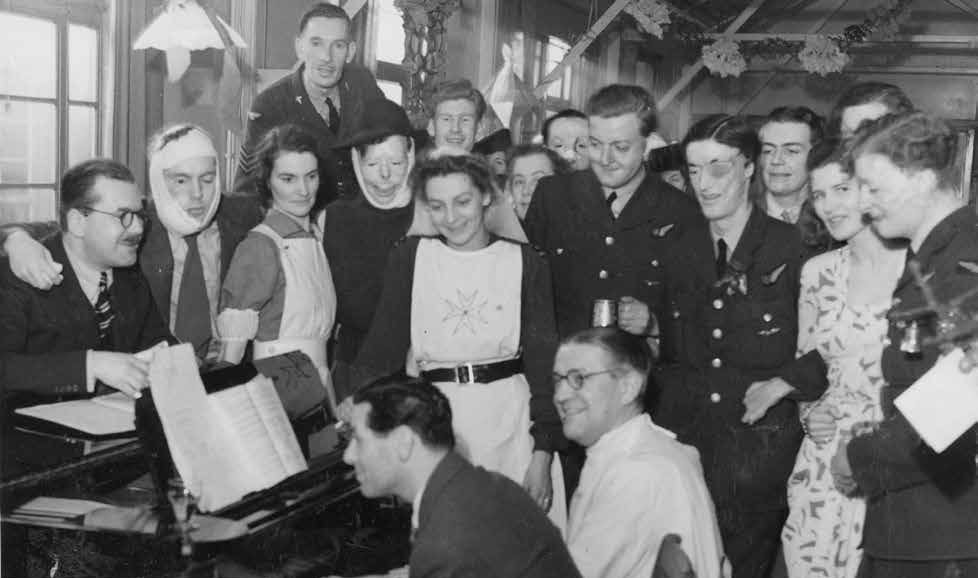
East Grinstead Museum
Home to the official archive of the Guinea Pig Club — the extraordinary mutual support society of 649 Allied aircrew who underwent pioneering reconstructive surgery under Sir Archibald McIndoe at East Grinstead’s Queen Victoria Hospital during WWII. The permanent ‘Rebuilding Bodies and Souls’ exhibition tells how McIndoe’s revolutionary techniques transformed plastic surgery, and how East Grinstead became ‘The Town That Didn’t Stare’.
-
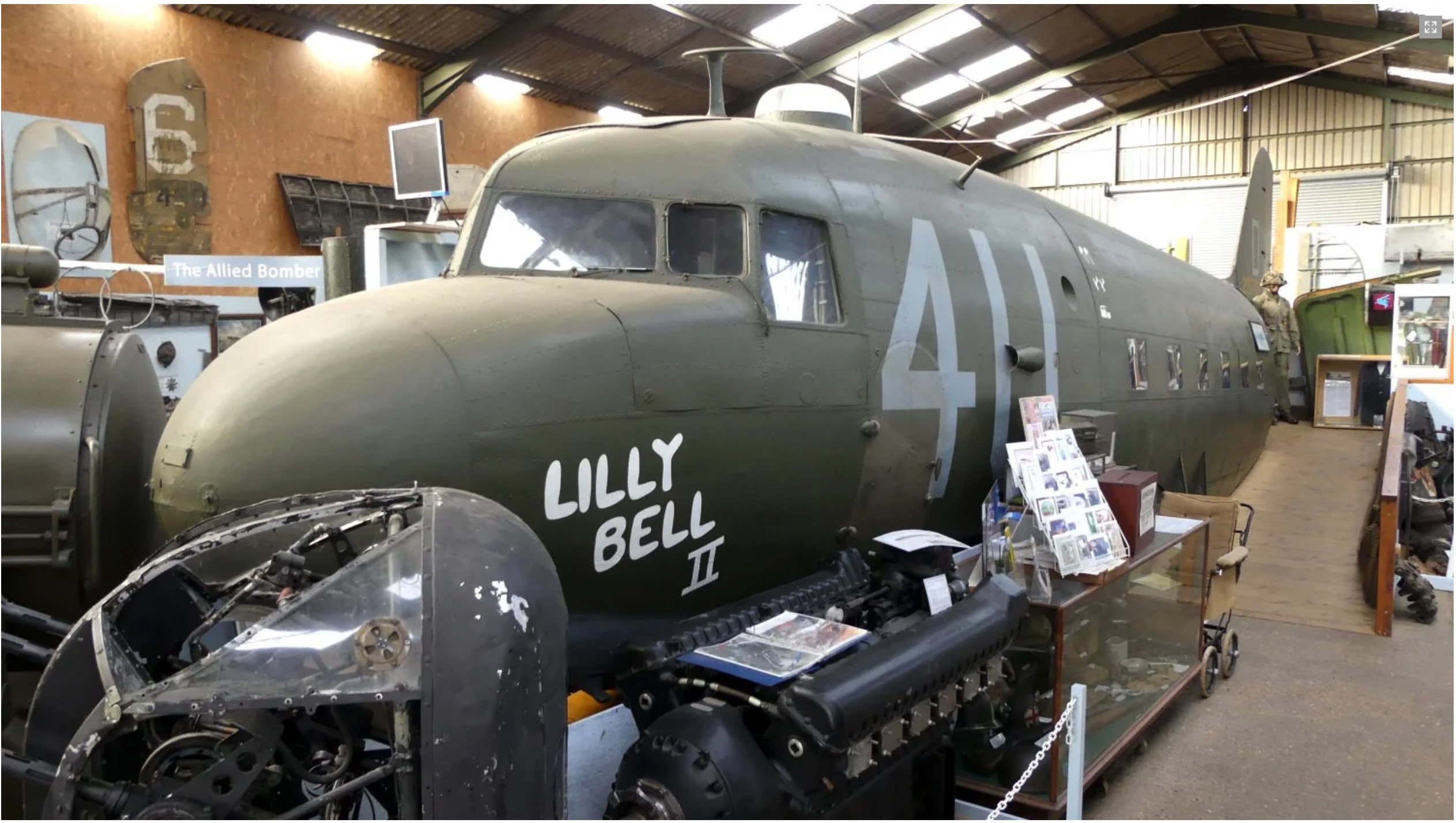
Wings Aviation Museum
A volunteer-run charity museum housed in a large hangar near Gatwick, covering a wide range of WWII aviation themes including RAF Fighter and Bomber Command, the Blitz, the Home Front, the US 8th Air Force, and the Luftwaffe. The museum holds hundreds of personal stories of courage and sacrifice, aero engines, cockpits, gun turrets, uniforms and medals — including the DC-3 Dakota fuselage used in filming Band of Brothers.
-
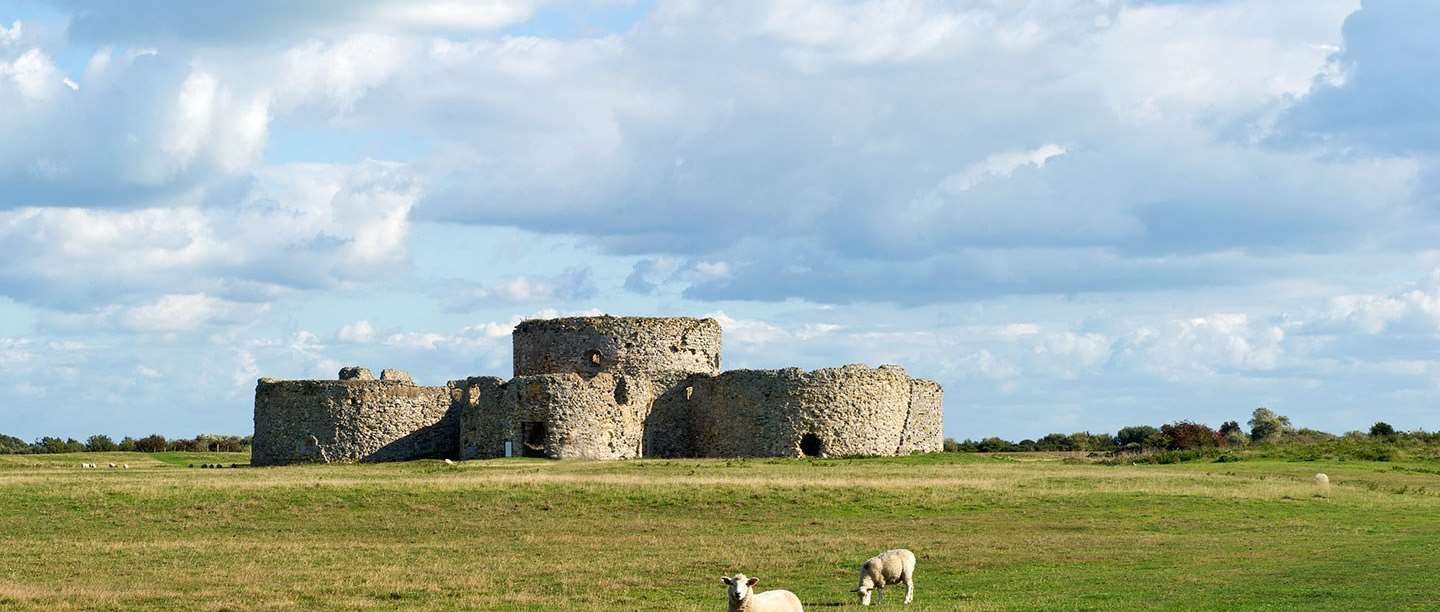
Camber Castle
A remarkably well-preserved example of a Henrician artillery fort, built by Henry VIII between 1512 and 1544 to defend the port of Rye against French and Spanish invasion. Its highly symmetrical circular design, built from Wealden and Sussex sandstone, is rare in Britain. Now two miles from the sea due to coastal silting, it sits within Rye Harbour Nature Reserve and is open for access during daylight hours.