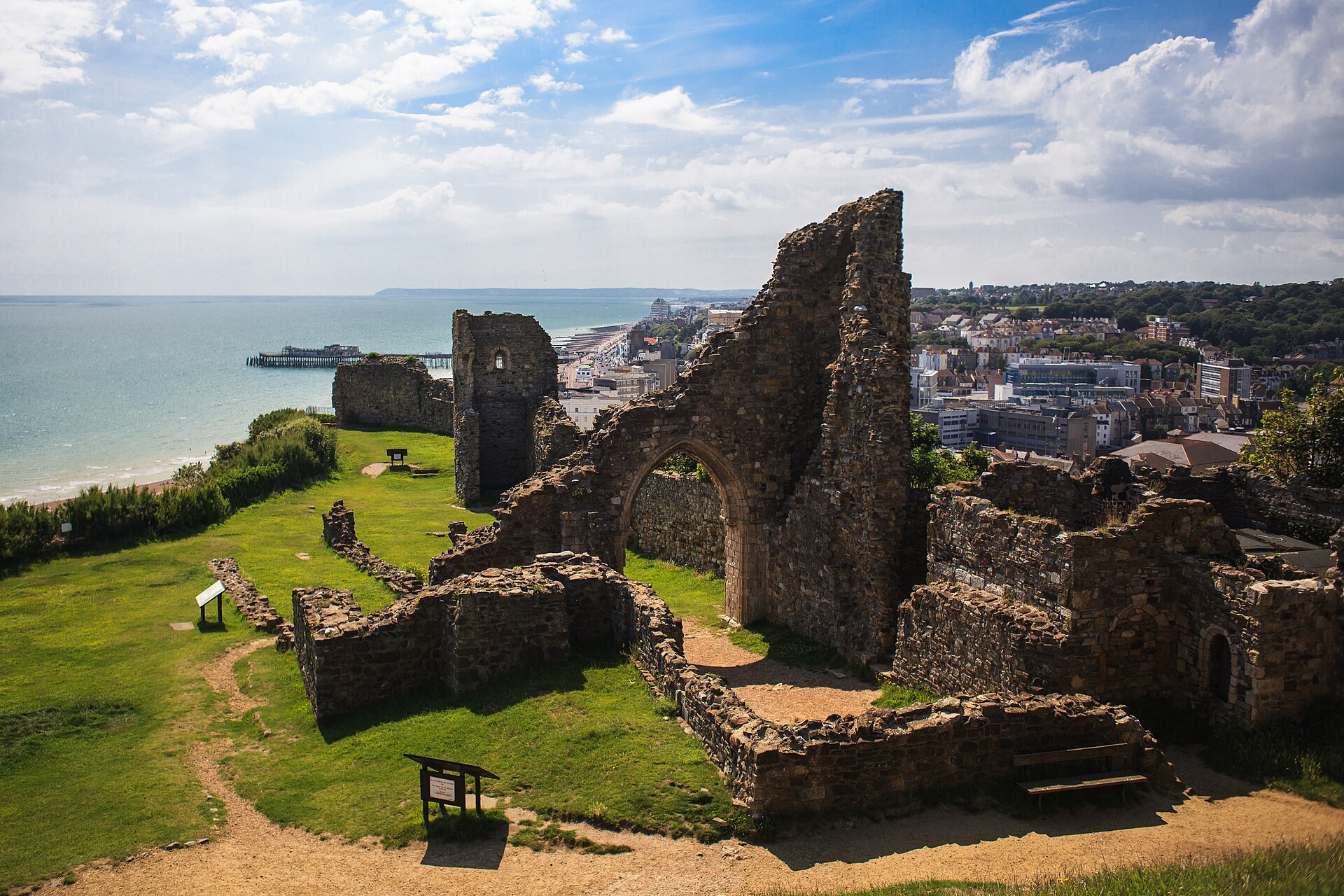
Currently closed – due to reopen Spring 26. Perched dramatically on West Hill above Hastings Old Town, this is the first Norman motte-and-bailey castle built in England — constructed by William the Conqueror immediately before the Battle of Hastings in 1066. The ruined remains offer spectacular views over the town and coast, and include the remains of a collegiate chapel. The site features an audiovisual experience telling the story of the conquest.
Listing Directory: General
-
Lewes Castle & Museum
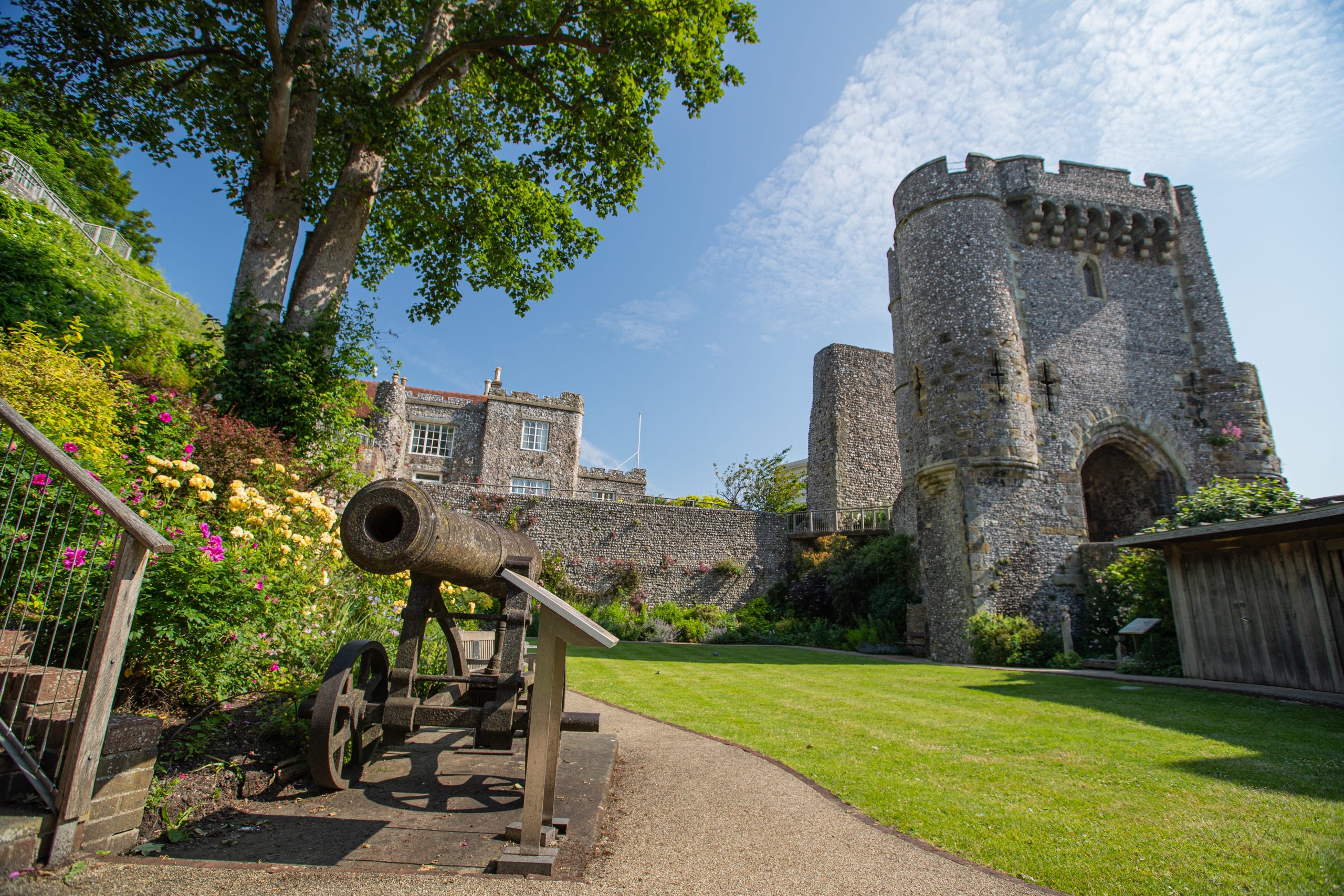
One of the first castles built after the Norman Conquest, Lewes Castle was raised by William de Warenne on orders of William the Conqueror around 1069. It overlooks the site of the 1264 Battle of Lewes, where Simon de Montfort defeated Henry III. The adjoining Barbican House Museum holds the Museum of Sussex Archaeology with artefacts from prehistoric to medieval periods, including a tapestry commemorating the 1264 battle.
-
1066 Battle of Hastings Abbey and Battlefield
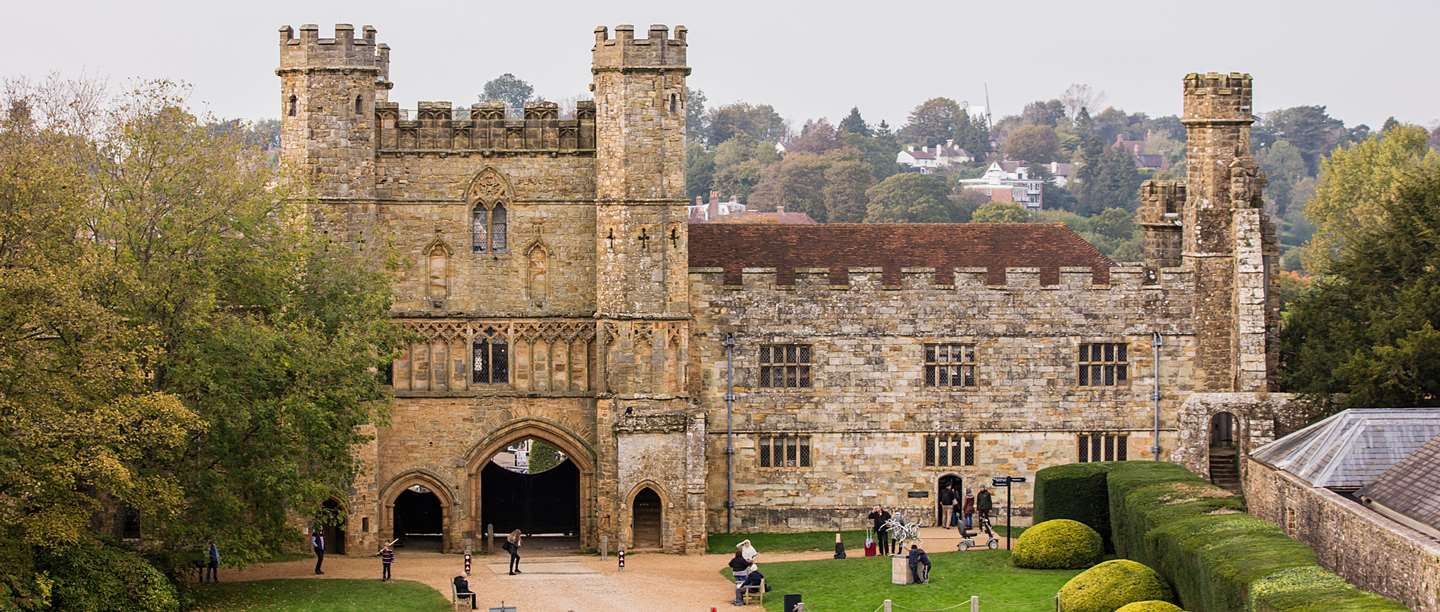
The site of the most famous battle in English history, where William the Conqueror defeated King Harold on 14 October 1066. Managed by English Heritage, the site includes the ruined abbey William built in penance, an interactive visitor centre with replica weapons and audio guides, a walkable battlefield trail with wooden sculptures, and the Harold Stone marking where the king fell.
-

Tangmere Aviation Museum
Situated at the former RAF Tangmere‚ one of the most important fighter stations in Britain, bombed by the Luftwaffe during the Battle of Britain in August 1940, this award-winning museum traces British military aviation from WWI to the Cold War. Highlights include a Spitfire and Hurricane, Battle of Britain artefacts, interactive cockpits and simulators, and the blood-stained uniform of the first VC winner of the Battle of Britain.
-
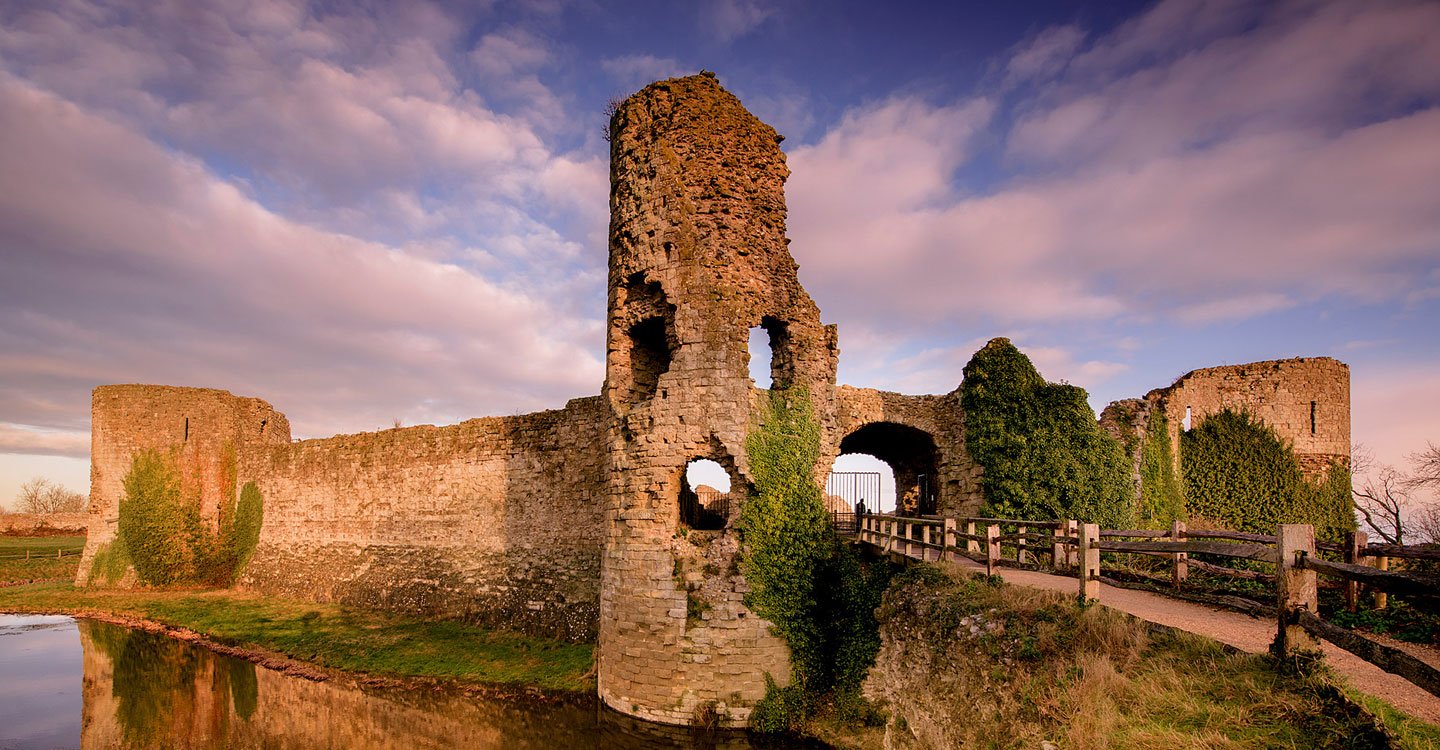
Pevensey Castle
One of the most militarily significant sites in England, Pevensey was a Roman Saxon Shore fort where William the Conqueror landed in 1066. Its massive 4th-century walls still stand to near their full height, enclosing a medieval Norman castle within. Reactivated in 1940 with cleverly camouflaged WWII machine gun posts, the site now features exhibitions spanning 1,600 years of military history.
-
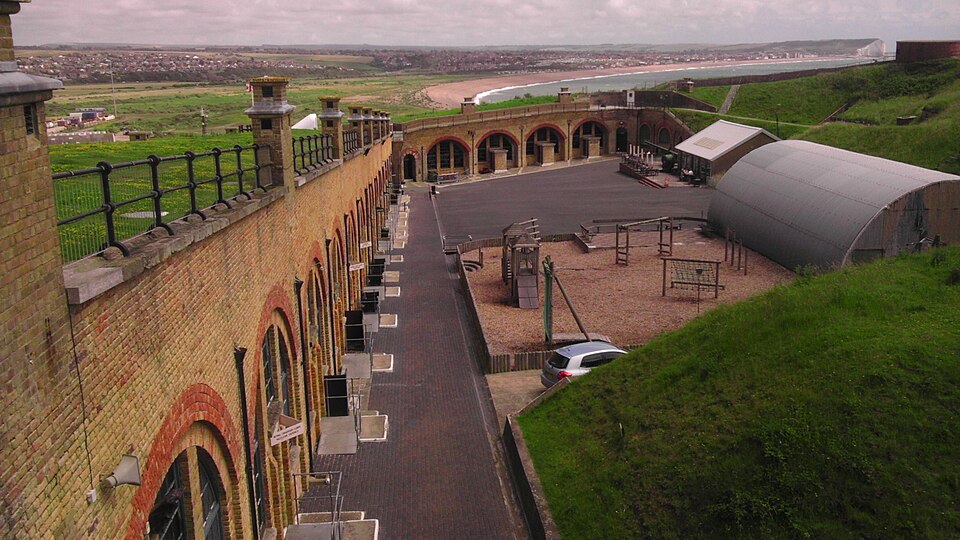
Newhaven Fort
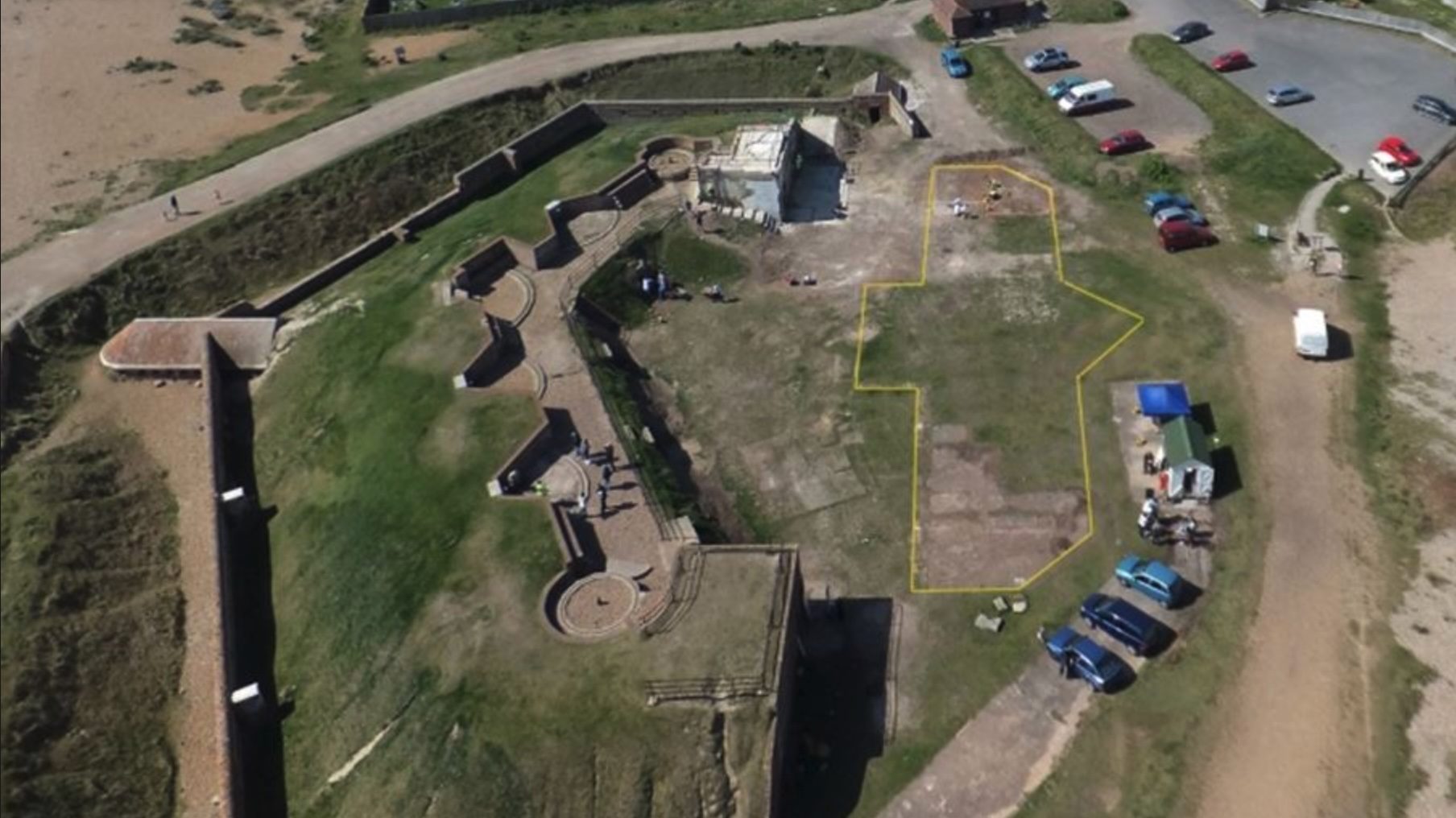
The largest military structure ever built in Sussex, this Victorian Palmerston fort sits on chalk cliffs with panoramic views over the English Channel. Its vast network of tunnels, gun emplacements, and casemates house exhibitions spanning Stone Age Sussex through to WWII, including a recreation of a Blitz air-raid shelter, a D-Day planning room, and immersive Home Front displays.